X
Filter

Search Filter

10 Result found

CPU Core

Display Technology

Manufacturer

OS

SOC

Special Requirements

XPI - Industrial RPi

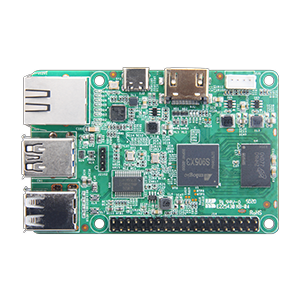
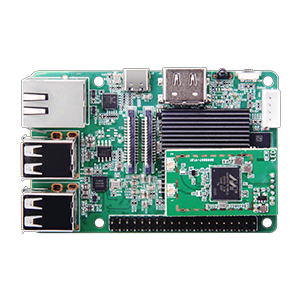
Need something a little different Raspberry? Geniatech XPI series single board computers are the best Raspberry Pi alternatives for high performance and low power projects. They offer a form factor similar to the Raspberry Pi, supporting Linux and Rasberry Pi OS emulater. Moreover, the XPI series provides optional industry-grade SoC that are designed for companies developing commercial products with extra features to meet various industrial needs, such as scalable up to 26 TOPS of AI computing, extended temperature ranges and support longevity of up to 10 years.
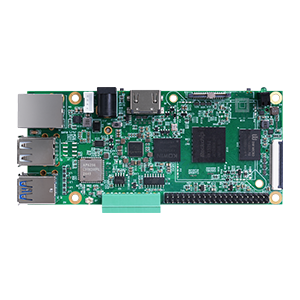
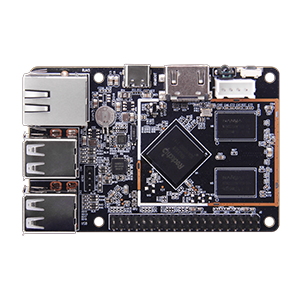
RK3576 Industrial AI SBC

XPI-3576

RK3576 Industrial AI SBC
125x56 mmHailo 8 (26 TOPS)-40°C to +85°C
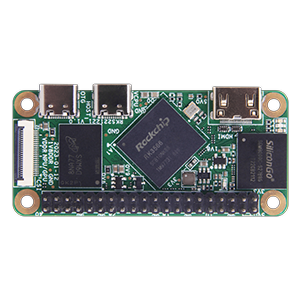
Tiny RK3566 SBC

XPI-3566-ZERO

Tiny RK3566 SBC
65x30 mmRPi Compatible
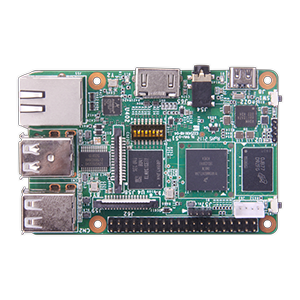
NXP Industrial Raspberry Pi Alternative

XPI-iMX8MM

NXP Industrial Raspberry Pi Alternative
85x56 mm-40°C to +85°C
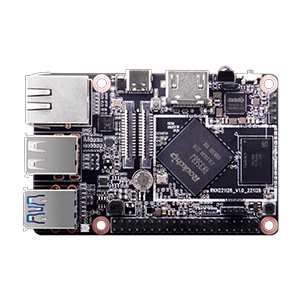
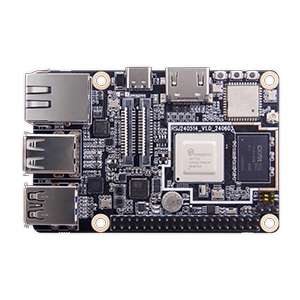
RK3568 Industrial SBC Board

XPI-3568

RK3568 Industrial SBC Board
85x56 mm-40°C to +85°C
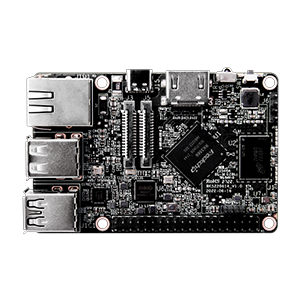
RK3566 Single Board PC

XPI-3566

RK3566 Single Board PC
85x56 mmRPi Compatible
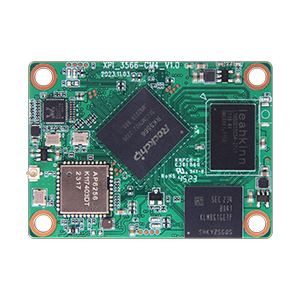
SBC Module with RK3566

XPI-3566-CM4

SBC Module with RK3566
55x40 mmRPi Compatible
RISC-V SBC Computer

XPI-7110

RISC-V SBC Computer
85x56 mmRPi Compatible
Low Cost ARM SBC

XPI-3128

Low Cost ARM SBC
85x56 mmRPi Compatible
Open Source Android SBC

XPI-S905X3

Open Source Android SBC
85x56 mmRPi Compatible
RK3288 SBC Board

XPI-3288

RK3288 SBC Board
85x56 mmRPi Compatible

What is a Single Board Computer?

Single board computers (SBCs) are complete computer systems where all major components (such as CPU, memory, storage, network interfaces, etc.) are integrated into a single small-sized board. These computers are typically used in embedded systems, education, prototyping, and entertainment projects. SBCs offer functionalities similar to desktop or laptop computers but are typically smaller, cheaper, and have lower power consumption. If you’re interested, click here to learn more about embedded computers and how they work.

PLC vs SBC

PLCs are specialized computers primarily used in industrial settings for controlling machinery and processes, featuring rugged design and tailored programming languages like ladder logic. embedded board, on the other hand, are versatile computing platforms employed in diverse applications, offering flexibility in programming languages and capabilities beyond industrial control. Understanding how to choose the Single Board Computer for your projects can significantly impact their efficiency and functionality

While PLCs excel at real-time control in industrial environments, ARM SBCs offer greater flexibility, computing power, and versatility, making them suitable for a wider range of applications beyond traditional industrial control.

Single board computer industrial applications

  • Industrial Automation and Control: industrial SBCs are used for controlling and monitoring manufacturing processes, machinery, and equipment in industrial automation systems. They can execute control algorithms, interface with sensors and actuators, and communicate with other devices in real-time.
  • Data Acquisition and Logging: embedded SBCs are employed to collect data from sensors, instruments, and devices distributed across industrial environments. They can log data, perform data preprocessing, and transmit information to central databases or cloud platforms for analysis and decision-making.
  • Remote Monitoring and Control: SBCs computer enable remote monitoring and control of industrial processes and equipment. They can be integrated with communication modules (such as Ethernet, Wi-Fi, or cellular) to facilitate remote access and control from centralized control centers or mobile devices.
  • Edge Computing: AI SBCs enable edge computing architectures, processing and analyzing data closer to its source to reduce latency and bandwidth usage. Capable of executing edge analytics algorithms, filtering data, and providing real-time insights, they empower efficient decision-making at the network’s edge.
  • Prototyping and Development: small SBCs are valuable tools for prototyping new industrial automation systems, testing control algorithms, and developing custom solutions. They enable rapid prototyping and iterative development of industrial applications before deployment at scale.