Smart Healthcare

AI-Driven Solutions for Smarter, Safer Patient Care

AI-Powered Innovations Driving the Future of Medical

In the age of digital healthcare, Geniatech Smart Healthcare Solutions combine AI computing, embedded design, and IoT connectivity to transform patient care, diagnosis, and medical operations. From AI-accelerated imaging to smart diagnostic tools and rehabilitation systems, Geniatech empowers hospitals, clinics, and research institutions to deliver faster, more precise, and data-driven healthcare. With decades of embedded system expertise and strong partnerships across the AI and medical technology ecosystem, Geniatech provides reliable, customizable, and regulatory-ready platforms designed to meet the demands of next-generation healthcare environments.

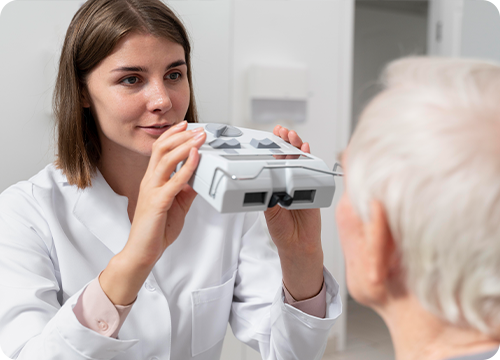
AI-powered and ultra-portable, this handheld vision screening device enables fast, accurate eye tests anywhere. Its compact design replaces bulky clinic equipment, making vision care simpler and more accessible.
Combining advanced imaging and AI analytics, this solution streamlines pet health testing—delivering rapid insights into infections and abnormalities from blood and fecal samples for timely, data-driven veterinary care.
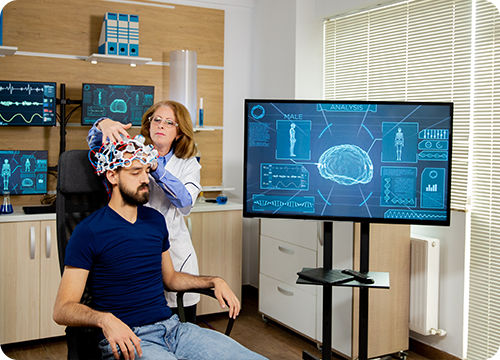
Integrating AI-driven emotion recognition and behavioral analytics, this solution enables early detection of depression and supports personalized mental health recovery through continuous, non-invasive monitoring.
Geniatech’s embedded platform for peritoneal dialysis enables real-time monitoring, AI-driven fluid analysis, and cloud connectivity, allowing clinicians remote access and ensuring patient safety, compliance, and efficient home-based treatment management.
Geniatech’s AI-assisted smart glasses enable hands-free, first-person video and photo capture, supporting real-time procedure documentation, remote consultations, and expert collaboration to enhance diagnostic precision and clinical efficiency.
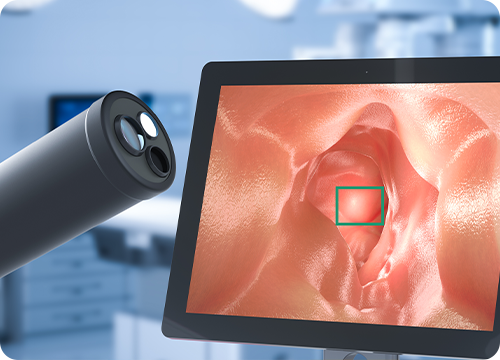
Geniatech’s AI-powered endoscopy solution enhances medical imaging with deep learning–based real-time analysis for anomaly detection, lesion recognition, and tissue segmentation—reducing errors and improving diagnostic efficiency.